
Hip Dysplasia vs Hip Luxation in Dogs
By Mark Gamble BVSc, Associate Greencross Vets Nerang, WebVet and Dr Charles Kuntz DVM, MS, MACVSc, Diplomate ACVS, ACVS Founding Fellow of Surgical Oncology, Registered Specialist of Small Animal Surgery, Senior Staff Surgeon
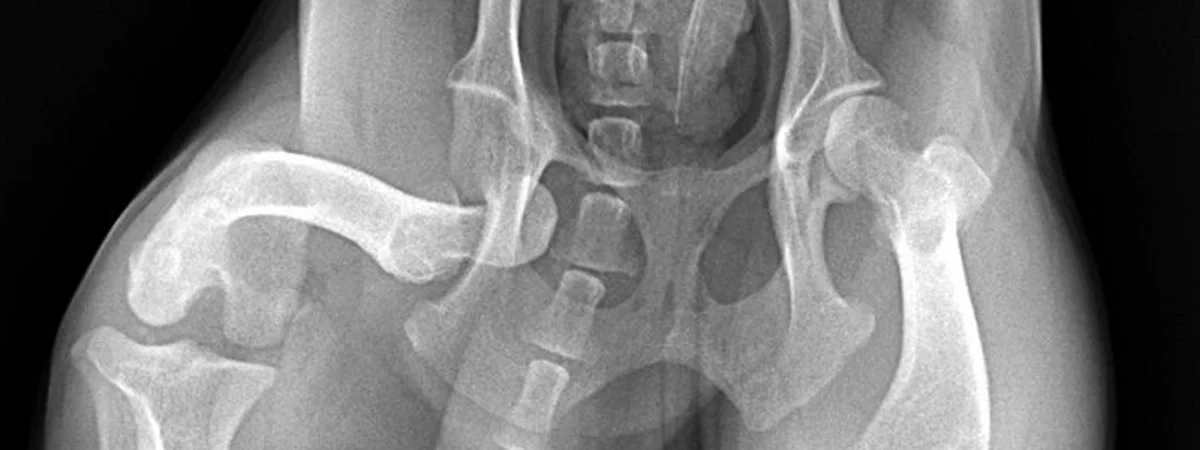
Hip dysplasia and hip luxation are two different conditions that can affect a dog's hip joint, but both can cause pain, lameness, and reduced mobility. Hip dysplasia is a developmental condition in which the hip joint does not fit together properly, leading to joint instability and arthritis over time. Hip luxation, by contrast, occurs when the ball of the hip joint is displaced from its socket, often as the result of trauma or injury. While their causes and treatments differ, both conditions can significantly impact a dog's comfort and quality of life. The good news is that effective management options are available. In this article, we'll explain the differences between hip dysplasia and hip luxation, explore their signs and causes, and discuss the diagnostic and treatment options available for affected dogs.
Hip Dysplasia vs. Hip Luxation at a Glance
| Feature | Hip Dysplasia | Hip Luxation |
|---|---|---|
| Cause | Developmental abnormality where the ball and socket of the hip do not fit together properly, leading to joint instability and arthritis over time. | Dislocation of the hip joint, most commonly caused by trauma (such as being hit by a car), though it can occasionally occur secondary to severe joint disease. |
| Onset | Usually develops gradually, with signs worsening over months or years. | Typically occurs suddenly, often immediately following an injury or traumatic event. |
| Typical Age | Most often diagnosed in young, growing dogs, although clinical signs may not become obvious until adulthood or later life when arthritis develops. | Can occur at any age, depending on when the injury or dislocation occurs. |
| Treatment | Weight management, exercise modification, pain relief, physiotherapy, and in some cases surgery such as total hip replacement or femoral head ostectomy (FHO). | Replacement of the hip back into the socket, surgical stabilisation if needed, pain management, and rehabilitation. |
Key Point: Hip dysplasia is a developmental condition that causes chronic joint instability, while hip luxation is a sudden dislocation of an otherwise normal or previously abnormal hip joint. Although they are distinct conditions, both can cause significant pain and lameness and may require veterinary treatment to restore comfort and mobility.
What is Hip Dysplasia in Dogs?
Hip dysplasia is a common orthopaedic condition in dogs in which the hip joint does not develop normally. In a healthy hip, the ball-shaped head of the femur fits snugly within the hip socket, allowing smooth and pain-free movement. In dogs with hip dysplasia, the ball and socket do not fit together properly, such as the ball being a less rounded shape or sitting too shallow within the socket, causing joint laxity and instability. Over time, this abnormal movement leads to wear and tear within the joint, resulting in inflammation, pain, cartilage damage, and the development of osteoarthritis.
Hip dysplasia is primarily a developmental and genetic condition. While puppies are born with normal hips, affected dogs inherit a predisposition that causes the joint to develop abnormally as they grow. Genetics play a major role, particularly in large and giant breeds such as Labrador Retrievers, Golden Retrievers, German Shepherds, and Rottweilers. However, environmental factors can also influence the severity of the condition. Rapid growth, excessive weight gain, poor nutrition, and inappropriate exercise during puppyhood may increase stress on developing joints and worsen underlying hip instability.
The condition can affect one or both hips and may range from mild to severe. Some dogs show signs from a young age, while others do not develop noticeable symptoms until arthritis becomes established later in life.
Signs and Symptoms of Hip Dysplasia
Hip dysplasia is a common orthopaedic condition that develops gradually in many dogs, so the early signs can be subtle and easily mistaken for normal ageing or simple tiredness. The condition causes instability within the hip joint, leading to inflammation, discomfort, and, over time, arthritis. Some dogs show signs from a young age, while others do not develop obvious symptoms until they are adults or seniors.
Early Signs of Hip Dysplasia
Early recognition can make a significant difference to a dog's comfort and long-term mobility. Common early signs include:
- Reluctance to run, jump, or climb stairs
- Difficulty rising after rest or sleep
- A "bunny hopping" gait when running, where both hind legs move together
- A noticeably shorter stride length in the back legs when running
- Swaying or unusual movement of the hindquarters when walking
- Reduced stamina during walks or play
- Mild hind limb stiffness, especially after exercise
Because these changes can develop gradually, owners may not immediately recognise them as signs of joint disease.
As hip dysplasia progresses, symptoms often become more noticeable. Affected dogs may limp after exercise, struggle to get into cars or onto furniture, find it difficult to stand for prolonged periods, or show signs of pain when their hips are touched or manipulated. Muscle loss in the hind limbs can occur due to reduced use and decreased range of motion of the affected legs, while the shoulders may become more muscular as the dog shifts weight forward to compensate.
In severe cases, chronic pain and advanced arthritis can significantly affect a dog's quality of life, making everyday activities increasingly difficult without appropriate treatment and management. It can also affect behaviour, resulting in dogs being more irritable, and less engaged with family members and activities, due to pain.
What Causes Hip Dysplasia? Is It Genetic?
Hip dysplasia is a developmental condition in which the ball-and-socket hip joint does not fit together properly as a dog grows. Rather than moving smoothly, the joint becomes loose and unstable, causing abnormal wear, inflammation, pain, and eventually arthritis. While the severity of signs varies between dogs, the underlying changes often begin early in life.
Genetics plays a major role in the development of hip dysplasia. The condition is considered hereditary, meaning it can be passed from parent dogs to their offspring. Large and giant breeds such as Labrador Retrievers, Golden Retrievers, German Shepherds, Rottweilers, and Saint Bernards are particularly predisposed, although hip dysplasia can occur in dogs of any breed or size.
Though genetics is the most important factor in hip dysplasia development, environmental factors can influence whether a genetically predisposed dog develops clinical disease and how severe it becomes. Rapid growth during puppyhood, excessive body weight, poor nutrition, and high-impact or forced exercise while the joints are still developing may increase stress on the hips and contribute to worsening joint instability.
Responsible breeding programs aim to reduce the incidence of hip dysplasia through health screening of breeding dogs.
How Is Hip Dysplasia Treated?
Treatment for hip dysplasia is tailored to the individual dog and depends on factors such as age, severity of joint changes, level of pain, and overall quality of life. Many dogs can be managed successfully for years with a combination of lifestyle modifications, pain control, and rehabilitation therapies, while others may benefit from surgery.
Non-Surgical Management
Non-surgical treatment is often recommended for dogs with mild to moderate hip dysplasia or for those that are not suitable surgical candidates. Maintaining a healthy body weight is one of the most important aspects of management, as excess weight places additional stress on already compromised hip joints and excess fat can contribute to overall inflammation in the body.
A structured exercise program can help maintain muscle strength and joint function without overloading the hips. Low-impact activities such as controlled walks, swimming, and hydrotherapy are commonly recommended. Veterinary physiotherapy may also improve mobility, comfort, and overall fitness.
Pain relief and anti-inflammatory medications are frequently used to manage discomfort and improve day-to-day quality of life. Joint-support supplements containing ingredients such as glucosamine, chondroitin, omega-3 fatty acids, and green-lipped mussel extract may also be recommended as part of a comprehensive management plan.
Surgical Options & Cost in Australia
When pain and mobility issues cannot be adequately controlled with medical management, surgery may be considered. Surgical options include juvenile procedures for select young dogs, to help reduce severity of hip dysplasia while they are still growing, and femoral head ostectomy (FHO), or total hip replacement (THR), which is generally regarded as the gold standard for severe cases.
The cost of hip dysplasia surgery in Australia varies considerably depending on the procedure, hospital, and individual case. Owners can generally expect costs ranging from several thousand dollars for an FHO to 7,000-15,000 or more per hip for a total hip replacement. Your veterinarian or specialist surgeon can advise which treatment option is most appropriate for your dog's condition and long-term needs.
Hip Luxation in Dogs: How Is It Different?
Although hip dysplasia and hip luxation both affect the hip joint, they are very different conditions. Hip dysplasia is a developmental disorder that occurs over time, whereas hip luxation is an acute injury in which the hip joint becomes dislocated, usually as the result of significant physical trauma. Common causes include motor vehicle accidents, falls from height, or other severe impacts that force the ball of the femur out of the hip socket.
Because hip luxation occurs suddenly, affected dogs often show an abrupt onset of pain and lameness. Owners may notice that their dog is unwilling to bear weight on one hind leg or is struggling to move comfortably following an injury.
Signs of a hip luxation or severe hip injury may include:
- Lameness or abnormal function of the affected limb
- Difficulty getting up and down from a lying position
- Difficulty jumping on and off furniture
- Difficulty climbing stairs
- Pain when the hip joint is moved or touched
- Reduced activity and reluctance to exercise
- Loss of muscle mass in the affected limb if the injury becomes chronic
A common question is whether dogs can still walk with a dislocated hip. In some cases, they can, but their gait is usually significantly affected. Many dogs display a severe toe-touching lameness, where they only lightly place the affected paw on the ground and are unable to bear normal weight. Even if a dog appears able to walk, prompt veterinary assessment is recommended.
Treatment often begins with an attempt at closed reduction, a procedure performed under general anaesthesia in which the veterinarian manually guides the femoral head back into the hip socket. This approach results in a successful outcome in about 50% of cases. If the hip cannot be stabilised through closed reduction, surgery is typically required. Surgical options may include toggle pin fixation, reconstruction of the joint capsule, iliofemoral sutures, or repositioning of the deep gluteal tendon to restore joint stability.
The cost of treatment varies considerably in Australia depending on the procedure and surgeon. A femoral head and neck excision performed in general practice may cost around $2000-3000, while a specialist total hip replacement can cost approximately $10,000 or more. As with most orthopaedic injuries, early diagnosis and treatment provide the best opportunity for a successful recovery and return to comfortable mobility.
Frequently Asked Questions
Can hip dysplasia be cured in dogs?
Hip dysplasia cannot be completely cured, particularly once arthritis has developed within the joint. However, it can often be managed very successfully through weight control, exercise modification, physiotherapy, medications, and joint supplements. In severe cases, surgical procedures, such as a total hip replacement, can dramatically improve comfort, mobility, and quality of life. Many dogs with hip dysplasia go on to live happy, active lives with appropriate treatment and ongoing management.
Is hip dysplasia painful for dogs?
Yes. Hip dysplasia can be painful because the abnormal fit of the hip joint causes inflammation, instability, and gradual wear of the cartilage. Pain levels vary between dogs. Some may show only mild stiffness or reluctance to exercise, while others experience significant discomfort and reduced mobility. As arthritis progresses, the condition often becomes increasingly painful without treatment.
How can I prevent hip dysplasia in my dog?
Because genetics play a major role, hip dysplasia cannot always be prevented. However, owners can reduce the risk and severity of the condition by obtaining puppies from responsible breeders who perform hip screening, maintaining a healthy body weight, feeding a balanced diet designed for appropriate growth, and avoiding excessive high-impact exercise during puppyhood. Early veterinary assessment is recommended if any signs of hind limb stiffness or lameness develop.
How much does hip dysplasia surgery cost in Australia?
The cost of surgery varies depending on the procedure performed, the complexity of the case, and whether treatment is carried out by a general practitioner or specialist surgeon. As a general guide, costs may range from several thousand dollars for procedures such as a femoral head ostectomy (FHO) to approximately 7,000-15,000 or more per hip for a total hip replacement. Your veterinarian can provide a more accurate estimate based on your dog's specific needs.
Can a dog's dislocated hip heal on its own?
A dislocated hip (hip luxation) is very unlikely to heal correctly and return to its normal location without veterinary intervention. Although some dogs may continue to walk, a permanently luxated hip will often result in significant abnormalities in limb function and pain. Early intervention generally leads to the best long-term outcome.
Conclusion
Hip dysplasia and hip luxation are two distinct conditions that affect the hip joint in different ways. Hip dysplasia is a developmental disorder that progresses over time and can lead to chronic pain and arthritis, while hip luxation is a sudden, traumatic injury in which the hip becomes dislocated and often requires urgent treatment. Recognising the signs of either condition early can help improve comfort, mobility, and long-term outcomes for your dog.
If your dog is showing signs of hind limb lameness, difficulty rising, reluctance to exercise, or has suffered a traumatic injury, prompt veterinary assessment is recommended. Early diagnosis and appropriate treatment can make a significant difference to your dog's quality of life. If your veterinarian recommends advanced imaging, orthopaedic surgery, or specialist management, speak with the Animal Referral and Emergency Network (AREN) about a referral consultation to discuss the most suitable treatment options for your dog.
About Dr Charles Kuntz
DVM, MS, MACVSc, Diplomate ACVS, ACVS Founding Fellow of Surgical Oncology, Registered Specialist of Small Animal Surgery, Senior Staff Surgeon
Charles graduated from the University of Florida and did an internship at the Animal Medicine Center in New York City. He then did a residency in small animal surgery and Master’s program at Virginia Tech. Following that he did a one-year fellowship in Cardiac Surgery and Research at Auburn University and an 18 month Fellowship in Surgical Oncology at Colorado State University before he became an Assistant Professor of Orthopaedic Surgery also at Colorado State University.
Charles then started a busy referral surgical practice in Washington DC where he was also on the Board of Directors and the Program Chair for the DC Academy of Veterinary Medicine. In 2004, Charles moved to Australia and started Southpaws Specialty Surgery for Animals. He started with just one nurse and by the time he sold the practice in 2022, Southpaws was up to 170 staff over 2 hospitals. Charles set up the first radiation therapy unit for animals in Australia. He has published hundreds of articles, abstracts, book chapters and proceedings in topics related to the treatment of surgical diseases in animals. He is often invited to lecture at international conferences. Charles has 5 patents for devices used in the treatment of surgical diseases in animals.
You can read more of our specialist veterinary news and stories here.
For referring vets, please use our online referral form to submit a case enquiry.
You might also be interested in
Bone Cancer in Dogs | Cancer Treatment in Dogs Case Study
Read about bone cancer in dogs and cancer treatment in dogs. Meet Kimba who was diagnosed and treated by the Animal Referral & Emergency Network.
Chest Tumors in Dogs | Symptoms & Treatment
Learn about chest tumors in dogs including symptoms, diagnosis and treatment options from qualified Vets.
Bone Cancer In Dogs | Canine Osteosarcoma - AREN
Learn the causes, signs, and treatments for bone cancer in dogs, including early detection tips and care options to improve your pet's quality of life.
