
A guide to bone cancer in dogs
Bone cancer, specifically osteosarcoma, is a serious and aggressive form of cancer that, unfortunately, is not uncommon in dogs. It can be devastating for pet owners if their dog is diagnosed with bone cancer, but early detection and proper treatment can improve your furry friend’s quality of life and, in some cases, extend their survival.
What is osteosarcoma in dogs?
Osteosarcoma is one of the most common types of bone cancer in dogs. It mainly affects the long bones of the legs but can also appear in the jaw, ribs or spine. It’s a malignant cancer, meaning it’s highly aggressive and can spread or metastasise to other parts of the body, particularly the lungs, if not treated quickly.
Osteosarcoma is more common in large and giant dog breeds such as Great Danes, Rottweilers and Golden Retrievers. It typically affects middle-aged to older dogs, although younger dogs can also develop it.
What causes bone cancer in dogs?
The exact cause of osteosarcoma in dogs is unknown, but several factors can increase the risk:
Genetic predisposition: Certain breeds are more prone to developing bone cancer, which suggests an underlying genetic component.
Age: Osteosarcoma is most commonly seen in older dogs, but younger dogs can also be affected.
Size and weight: Large and giant breeds are at a higher risk due to the increased strain on their bones.
Previous injuries or radiation therapy: Dogs that have suffered bone fractures or undergone radiation therapy could be more susceptible to bone cancer.
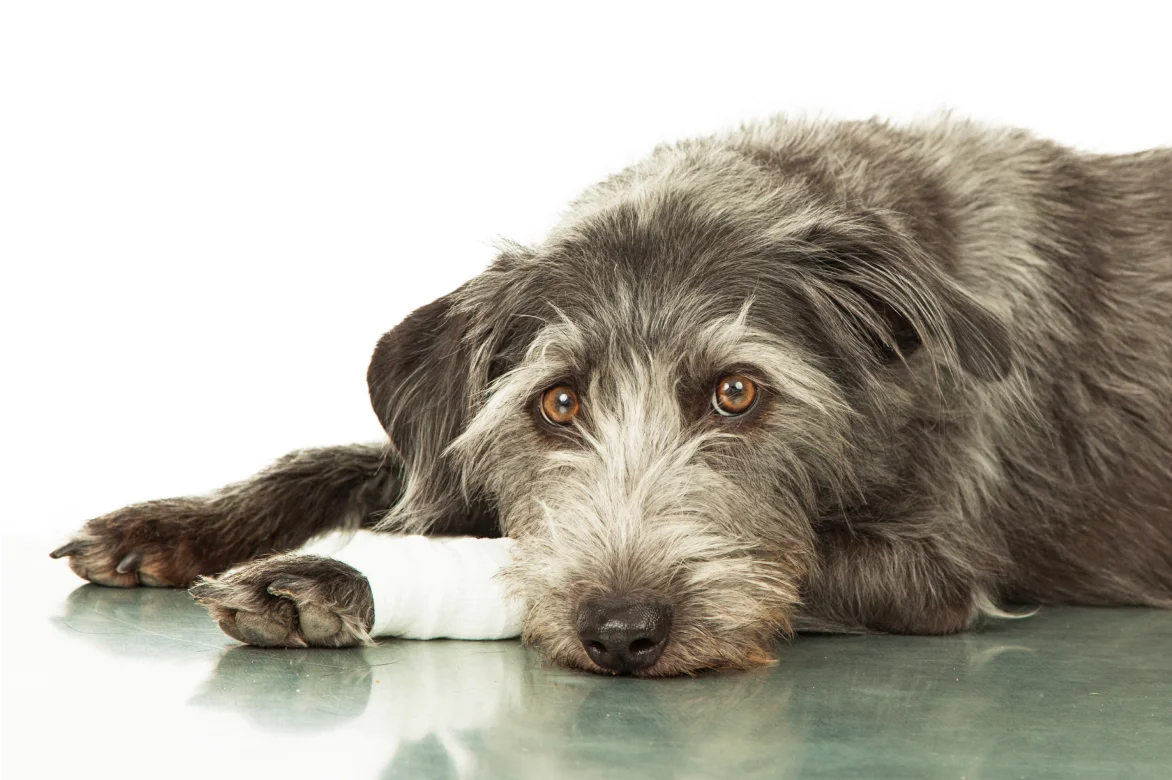
Signs of bone cancer in dogs
Being able to spot the signs of bone cancer in dogs early can make a big difference in their treatment outcomes. Common signs include:
Lameness: Dogs may limp or avoid putting weight on the affected limb due to pain.
Swelling: A noticeable swelling or mass may develop over the affected bone.
Localised pain: Your dog might be sensitive to touch around the tumour area.
Reluctance to move: Due to the pain, affected dogs can be less willing to exercise or play.
How fast does bone cancer spread in dogs?
Osteosarcoma is highly aggressive and tends to spread quickly, particularly to the lungs. Without treatment, the cancer can metastasise within a few months. Early detection and intervention, though, can help to slow the spread and give your dog the best possible outcome.
Diagnosing canine osteosarcoma
Physical examination: Your veterinarian will assess your dog’s overall health and check for signs of swelling or pain in the bones.
X-rays: Imaging tests (e.g. X-rays) are required to detect changes to bone structure or confirm the presence of tumours.
CT scans or MRI: In some cases, more advanced imaging techniques may be used to assess the extent of the cancer and if it has spread
Biopsy: A biopsy of the affected bone is needed to confirm the diagnosis of osteosarcoma.
Canine osteosarcoma treatment
Amputation: In cases where the tumour is located on a limb, amputation is often recommended to remove the cancer. While amputation might seem overwhelming, most dogs compensate well and adapt to life on three legs. Surgery alone can be a palliative measure.
Limb-sparing surgery: This is an alternative to amputation, where only the tumour is removed, and the limb is preserved in dogs that are not good candidates for amputation. Other factors are taken into consideration with choosing this treatment and it typically combined with chemotherapy.
Chemotherapy: Following surgery, chemotherapy is often recommended to target any remaining cancer cells and slow the spread of the disease.
Radiation therapy: Radiation can be used to manage pain and shrink tumours in cases where surgery is not an option.
Pain management: Palliative care may involve medications, particularly to manage pain and improve your dog’s quality of life.
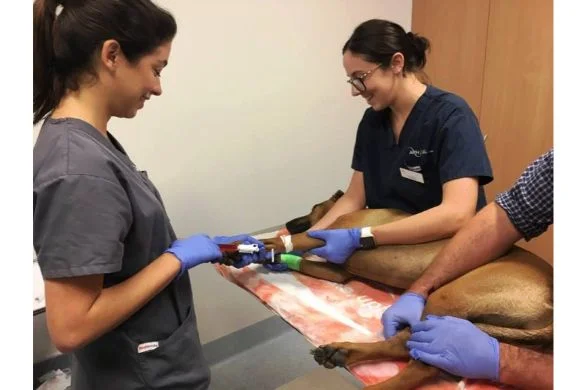
Understanding the final stages of osteosarcoma in dogs
Bone cancer is typically very painful. As osteosarcoma progresses, dogs can experience more severe symptoms such as difficulty breathing, fatigue and increased pain. Palliative care options, including pain relief and supportive therapies, will help maintain your dog’s comfort during the final stages of the disease.
Supporting your dog with bone cancer
Living with a dog diagnosed with bone cancer can be upsetting, but there are ways to help manage their condition:
Regular vet visits: Ongoing check-ups will help monitor your dog’s progress and adjust treatments as needed.
Diet and nutrition: A balanced diet can support your dog’s overall health and help manage their weight during treatment.
Pain management: Make sure your dog is as comfortable as possible by working with your vet to manage their pain.
Exercise: Gentle exercise can help maintain muscle strength and improve mood.
Early diagnosis, combined with a thorough treatment plan from your vet, can greatly improve your dog’s quality of life – even when dealing with a bone cancer diagnosis.
You can read more of our specialist veterinary news and stories here.
For referring vets, please use our online referral form to submit a case enquiry.
You might also be interested in
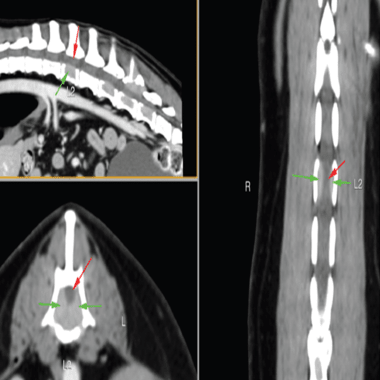
Bone Cancer in Dogs | Cancer Treatment in Dogs Case Study
Read about bone cancer in dogs and cancer treatment in dogs. Meet Kimba who was diagnosed and treated by the Animal Referral & Emergency Network.
.jpg)
Leukaemia In Dogs
Learn about Leukaemia in Dogs, discovering canine Leukaemia symptoms, and treatment options from the expert Veterinarians at AREN.

Skin Cancer In Dogs & Cats - Signs, Symptoms & Treatments
Learn more about skin cancer in dogs and cats, including common signs & symptoms, different types of skin cancer, treatment options and prevention tips.
