
Chemotherapy in Dogs and Cats
Cancer in animals can be difficult to control and commonly involves a variety of treatments including surgery, radiation and chemotherapy, either alone or in combination. Chemotherapy is commonly used in cancers that cannot be treated with surgery or radiation alone, where there is a risk of metastases (spread), if there are residual cancer cells left after surgery, or when it may enhance the effectiveness of other treatments.
What is chemotherapy?
Chemotherapy is the administration of drugs designed to kill or slow the growth of cancer. Many of the drugs used to treat cancer are derived from natural substances such as plants, and even bacteria. Chemotherapy can be administered to the patient as an injection or as an oral medication. When given by injection, it is usually administered into a vein via a catheter; however, it is occasionally given into the muscle, under the skin, directly into the tumour or into a body cavity such as the chest or abdomen. Chemotherapy drugs circulate throughout the entire body blocking cell growth and division. The goal of chemotherapy is to control or eliminate cancer while still maintaining the highest quality of life. The drugs we use to treat animals are the same drugs used to treat people with cancer. Our aim is often to improve quality of life and ideally achieve remission, rather than a complete cure. This means the doses of chemotherapy drugs are lower in animals than in people as we tend to treat them less aggressively. For this reason animals usually do not suffer the same degree of side effects, if they experience any at all.
Side effects
Approximately 70–80% of patients on chemotherapy have minimal to no side effects. Of those that experience side effects, these are usually mild, short lived and may resolve without treatment. Cancer is composed of active, dividing and multiplying cells and these are the cells that chemotherapy targets. There are some normal cells in the body that are also actively dividing and therefore they can also be affected by chemotherapy. These cells are found in the blood and bone marrow, gastrointestinal (digestive) tract, skin and reproductive system. Consequently, potential side effects include decreased appetite, nausea, vomiting, diarrhoea and infection. Patients may be more susceptible to infections if there is a significant decrease in the white blood cell count. Alopecia or hair loss that is commonly seen in humans is uncommon in dogs. It is seen most often in breeds that have continuously growing hair (i.e. Poodles, English Sheepdogs). Cats generally do not lose body hair, but can lose their whiskers. Chemotherapy can also slow regrowth of hair. Although the above are the most common potential side effects, it should be remembered that the majority of patients have minimal to no side effects. Other side effects are possible and are often unique to individual drugs (for example bladder irritation, kidney and heart failure). We try to choose drug doses and combinations that result in the fewest side effects. Prompt treatment can often prevent more serious side effects from developing. We routinely perform blood and urine tests and check the blood cell counts before every chemotherapy treatment to ensure that the white blood cell count is acceptable for treatment and the patient is still a healthy candidate for his/her next chemotherapy.
How is chemotherapy administered?
While some of the drugs can be given orally at home, most are given by injection at the veterinary hospital. An oncology nurse or veterinarian admits the patient for his/her chemotherapy treatment and this is a good time to express any concerns you may have. We work as a team to minimise the time a patient will spend at the hospital. Each patient receives a thorough physical examination and a haemogram (blood test to ensure the blood cell counts are adequate for treatment). An intravenous catheter is placed for safe administration of chemotherapy. After administration, the catheter is removed and a light bandage is placed, this can be removed after 1–2 hours. The whole process takes approximately one hour. If your pet licks excessively at the injection site (i.e. for longer than a day) or if the site turns red, this may be a sign that some drug went outside the vein. Please contact us immediately since this may be a serious complication.
For oral tablets that are given at home, please make sure you pet receives all medications as prescribed and that the pills are not crushed or split, nor capsules opened (as this can expose you to the chemotherapy drug). If you are administering an oral chemotherapeutic drug, you will be given latex gloves to wear to handle these pills. When you are finished giving the pills, wash your hands thoroughly. Please keep this medication away from children.
Many chemotherapy protocols involve a series of treatments that can be given daily, weekly or every 2–4 weeks. This is often followed by a period of careful observation. Continuous, indefinite chemotherapy is not common. However, in some patients with advanced disease, chemotherapy may be continued as long as it is controlling the cancer.
Is there any risk to me?
Potentially, although there have been no studies done to prove this. Most of the chemotherapy drugs we use leave the system through faeces, urine or saliva and they could potentially be a risk to you if you come in contact with them within 48 hours of treatment. It is important to wear gloves if any accidents occur inside your home, and clean the area with disposable items (i.e. paper towel). Wash your hands thoroughly afterwards. If toileting is done outside, simply leave faeces for 48 hours before collecting them, the ultraviolet light in the sun will often deactivate any potential residues in the faeces. In general, it is recommended that if clothing/ bedding is soiled by faeces, urine or vomit within 48 hours of chemotherapy it should be washed twice in hot water or thrown out.
How do I choose what is best?
Quantity of life is meaningless without quality of life. Chemotherapy is aimed to provide disease free time for your pet. No one can accurately predict how long this will be. For some cancers there is more information available, and we can sometimes give you an estimation of what you might expect. Chemotherapy involves commitment and dedication as it may need daily, weekly or monthly administration of medication, with no guarantee of success. During treatment, several crisis points can occur. There may be failure to respond, recurrence of the growth or complications of the cancer or treatment (sometimes unexpected death). Thus, it is understandable if some owners elect euthanasia when their pet is diagnosed with cancer.
Does chemotherapy cure cancer?
Chemotherapy does not always cure cancer but rather controls it by killing cells and controlling the progression of the disease. The length of time and frequency of drug administration depends on the type of cancer being treated and how well the therapy is tolerated by the patient. Our aim is often to achieve complete remission. Animals that are in complete remission look like normal animals and do not have any signs of cancer. They behave just as they did before they developed cancer. However, some of the cancer cells may survive in very low numbers that are too small to detect. Eventually, these few cells grow and the cancer will become evident again. When this happens the animal is said to be ‘out of remission’. Sometimes a second remission can be achieved with ‘rescue chemotherapy’. Eventually the cancer cells may become resistant or insensitive to all drugs, and no further treatment is available. In such cases, the cancer cells have become resistant to the drugs in a similar way bacteria become resistant to antibiotics. When resistance to one drug occurs, we can often use other drugs. However, each time resistance develops it becomes more difficult to find a drug that the cancer will respond to. In some cases, cancer develops resistance to all drugs. At this point, your pet’s clinician will discuss with you ways to keep your pet comfortable for the remainder of his/her life.
How much does chemotherapy cost?
The cost of chemotherapy depends on the protocol that has been recommended. On average it can cost approximately $400–$600 per treatment and various numbers of treatment may be required at various intervals. We will give you individual estimates for the cost of treating your pet’s cancer.
May my pet receive vaccinations while on chemotherapy?
Recent research indicates it is safe to give your pet vaccines while they are receiving chemotherapy. While response to the vaccine may not be optimal, most respond normally and there is no increase in risk of problems from the vaccine. We recommend waiting two months after chemotherapy to resume a vaccination schedule unless your pet is going into a high risk environment such as a cattery or kennels.
How do I know when it's time?
Monitoring your pet’s quality of life is very important throughout and after treatment. There are often further treatment options available if there are problems. Decreased quality of life may be manifested in many ways, and animals can be good at hiding their discomfort. Your pet may show a lack of interest in eating and going for walks, or may struggle to breath, get comfortable or sleep. For many it is their pet’s inability to acknowledge their owner that helps make the final decision. Please feel free to contact any member of our oncology team if you have any trouble making this decision or have any concerns.
Related reading:
Information provided by Melbourne Veterinary Specialist Centre (MVSC), part of the AREN network.
Looking for additional information info on common pet illnesses and diagnoses?
For referring vets, please use our online referral form to submit a case enquiry.
You might also be interested in

Chest Tumors in Dogs | Symptoms & Treatment
Learn about chest tumors in dogs including symptoms, diagnosis and treatment options from qualified Vets.
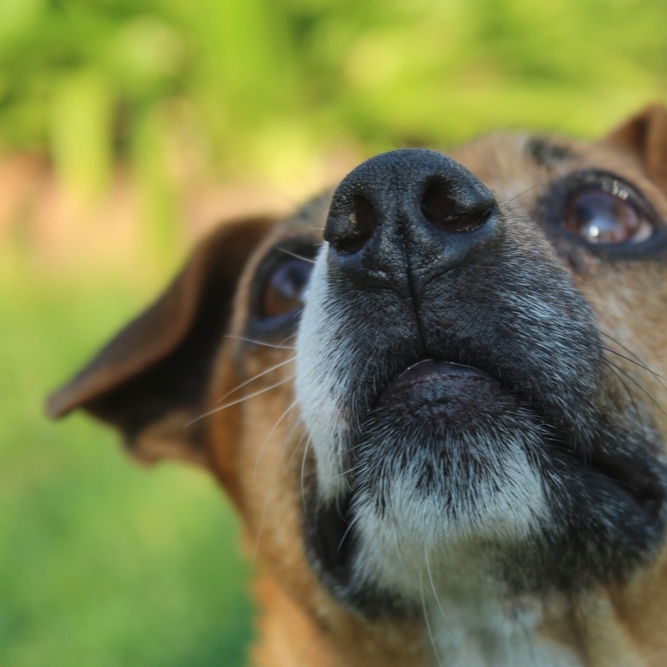
Nasal Tumours in Dogs and Cats
Learn the causes, symptoms, diagnosis and treatment options for nasal tumours in dogs and cats, from the specialists at MVSC.

Skin Cancer In Dogs & Cats - Signs, Symptoms & Treatments
Learn more about skin cancer in dogs and cats, including common signs & symptoms, different types of skin cancer, treatment options and prevention tips.
