
Chemotherapy - Keeping Pets & Owners Together For Longer
With 50% of dogs and cats over the age of 10 years developing cancer, chemotherapy is proving a beneficial treatment in the fight against this disease.
At ARH Brisbane we are fortunate to have Australia’s only specialist medical and surgical oncology team.
Here they speak about the use of chemotherapy in animals and debunk some of the common fears pet owners have about this form of cancer treatment.
Myth 1 – The side effects of chemotherapy are significant
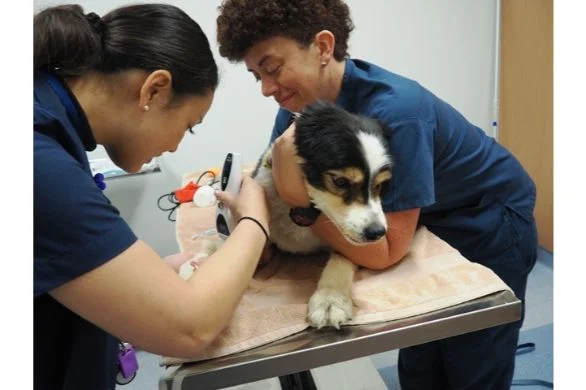
Unlike chemotherapy in people, side effects of chemotherapy in pets are rare. This is due to the reduced dosage and number of treatments required in animals, compared to the treatment plans used in humans. If side effects do occur we can often manage them at home, rarely do pets need a stay in hospital.
Myth 2 – Chemotherapy treatment is time intensive for pets and owners
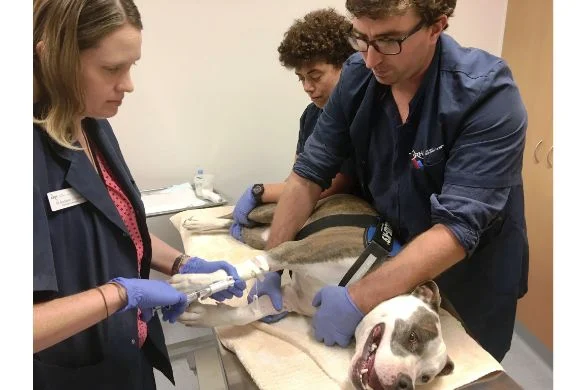
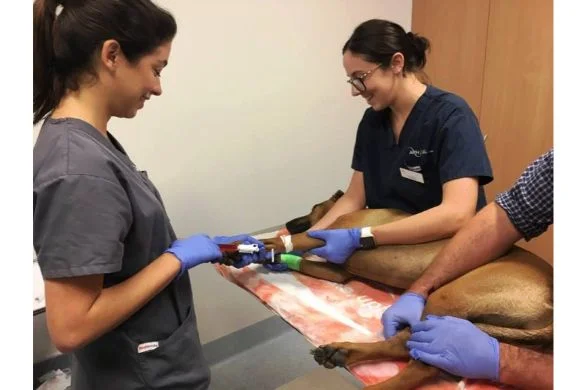
Chemotherapy options include injectable and oral forms and can be used to try and cure the cancer or provide palliative care. This means that some pets are managed from home, with only occasional blood tests being performed at the clinic. Appointments and treatments are tailored to each pet providing individualised treatment. Treatment is provided as quickly as possible to minimise the time a pet is in hospital.
Myth 3 – Chemotherapy treatment causes anxiety in pets
Chemotherapy performed at ARH is a different experience to what people expect. We have a specialised room to administer chemotherapy which makes it safe for pets and our vets and nurses. Pets are spoiled when they come in for chemotherapy with lots of cuddles and treats. Some think of their chemotherapy more as an exciting outing than a trip to the vet.
Myth 4 – The aim of chemotherapy is to cure cancer
While there is not always a cure for every cancer, our goal in treatment is to maintain a pet’s quality of life for as long as possible making sure we provide comfort and pain free management.
Palliative care chemotherapy can provide symptom relief, pain reduction, improved mobility and longevity regardless of the type of cancer or how long a pet is expected to live. This allows families to spend more precious time with their much loved pets and gives owners a sense of control over their pet’s treatment.
You can read more of our specialist veterinary news and stories here.
For referring vets, please use our online referral form to submit a case enquiry.
You might also be interested in
.jpg)
Leukaemia In Dogs
Learn about Leukaemia in Dogs, discovering canine Leukaemia symptoms, and treatment options from the expert Veterinarians at AREN.
What is Metronomic Chemotherapy?
Discover what is Metronomic Chemotherapy in dogs & how metronomic chemotherapy offers less invasive treatments for pets with cancer.

Skin Cancer In Dogs & Cats - Signs, Symptoms & Treatments
Learn more about skin cancer in dogs and cats, including common signs & symptoms, different types of skin cancer, treatment options and prevention tips.
