
Leukaemia in Dogs
September is blood cancer awareness month, a time when we look to raise awareness of this serious disease in dogs.
Referred to as the silent killer, the symptoms of blood cancer can be difficult to recognise until the cancer has become advanced.
In dogs, leukaemia accounts for 10% of all blood cancers diagnosed. Lymphoid leukaemia results from an excess of white blood cells in the blood. These cells can originate in the bone marrow or spleen.
There are two main types of lymphoid leukaemia including acute lymphoblastic leukaemia and chronic lymphocytic leukaemia.
The acute disease
Acute lymphoblastic leukaemia spreads quickly and is aggressive in nature. It accounts for 35-39% of all leukaemias in dogs.
Some of the symptoms include anorexia, lethargy, weight loss, increased urination, increased water consumption and anaemia.
It appears there is a higher risk of German Shepherds and Golden Retrievers contracting this type of leukaemia. It is also a disease that affects younger dogs.
The chronic disease
Chronic lymphocytic leukaemia doesn’t spread as quickly or appear as aggressive as the acute type. It accounts for 24-42% of leukaemias in dogs.
Symptoms are usually subtle and easily missed including mild lethargy and slight loss of appetite. These dogs can also get an enlarged spleen and lymph nodes.
This disease is seen more commonly in British Bulldogs and some other small breed dogs such as Cocker Spaniels, Jack Russel Terriers and Dachshunds. It is a disease that affects middle aged to older dogs.
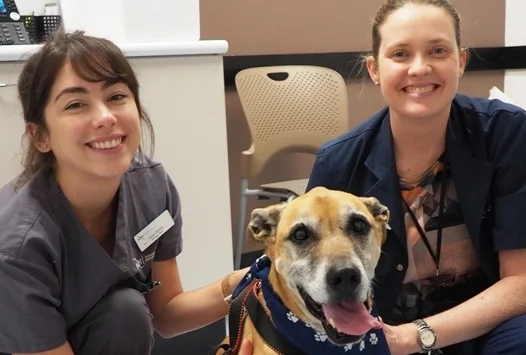
Tiger’s story
12 year old Tiger visited his regular vet for a routine check-up when abnormal blood results indicated he had a possible issue with his liver. He also had a slightly elevated lymphocyte count. Tiger had an abdominal ultrasound and multiple lesions were found in his spleen and liver. He was referred to our oncology department where a CT scan confirmed Tiger’s abnormal spleen, lesions in his liver and an enlarged lymph node close to the liver.
Due to the size of the mass on his spleen and the risk of it rupturing our surgeons removed it. Tiger was diagnosed with cancers in his spleen and liver and leukaemia in his blood.
He started chemotherapy last week and so far he is going well. Tiger is on oral chemotherapy and will continue this treatment indefinitely. He will have frequent visits to our oncologists for rechecks and blood tests to assess his disease. The prognosis for this disease is quite good, with an average survival time of 18 months. There are very few side effects from the chemotherapy treatment and his quality of life should be fantastic.
You can read more of our specialist veterinary news and stories here.
For referring vets, please use our online referral form to submit a case enquiry.
You might also be interested in

Diabetes In Dogs | Animal Health Specialists | AREN
Discover everything you need to know about diabetes in dogs with AREN. Learn about causes, symptoms, and effective treatments to safeguard your dog's health.
.jpg)
Kidney Disease - The Symptoms, Diagnosis & Treatment
Learn about kidney disease in dogs, the signs and symptoms and treatment options from the experts at the Animal Referral & Emergency Network.

Xylitol Poisoning in Dogs: Prevention, Symptoms & Treatment
Xylitol is a sugar substitute extremely toxic to dogs. Found in many 'sugar-free' products, ingestion can cause a life-threatening drop in blood sugar. Learn the symptoms, timeline, and what to do.
