
Parvovirus in Dogs: Symptoms, Treatment & Prevention Guide
Canine parvovirus is one of the most serious and potentially life-threatening viral diseases affecting dogs, particularly puppies and unvaccinated animals. Since its emergence in the late 1970s, parvovirus has remained a significant and ongoing health threat. It spreads easily and can progress rapidly, making early recognition and urgent veterinary treatment essential.
The reassuring news is that parvovirus is both preventable through vaccination, and treatable, especially when intervention begins in the early stages. Vaccination remains the most effective form of protection and prompt treatment improves survival rates.
Understanding the early warning signs and seeking veterinary attention without delay can make a critical difference. If you notice symptoms such as lethargy, loss of appetite, severe or repeated vomiting, diarrhoea (particularly if bloody), or sudden weakness, your dog should be assessed by a veterinarian immediately.
Our emergency hospital network is open 24/7 to provide immediate assessment and intensive treatment for critically unwell pets. We have extensive experience managing parvovirus patients and have comprehensive evidence-based care protocols in place to give affected dogs the best possible chance of recovery.
What Is Canine Parvovirus?
Canine parvovirus is a highly contagious viral disease that targets rapidly dividing cells within the body. It primarily affects the gastrointestinal tract (digestive system) and the bone marrow, which produces essential red and white blood cells for the body.
Damage to the intestines results in severe inflammation, vomiting, diarrhoea, and dehydration. At the same time, suppression of the bone marrow weakens the immune system, leaving affected dogs vulnerable to secondary infections and serious complications.
Puppies between 6 weeks and 6 months of age are at greatest risk, particularly if they are unvaccinated or have not completed their vaccination course.
Why Is Parvo So Dangerous?
Canine parvovirus destroys the lining of the intestines, reducing the body’s ability to absorb nutrients and fluids. This results in severe vomiting, profuse diarrhoea and rapid dehydration. As the protective intestinal barrier breaks down, bacteria can enter the bloodstream, leading to sepsis - a life-threatening systemic infection that requires immediate intensive care.
As parvovirus also suppresses the bone marrow (responsible for producing red and white cells) the immune system is significantly compromised and the body struggles to fight infection.
In very young puppies, the virus can also affect the heart muscle causing a less common but often fatal “cardiac form” of the disease. This can lead to acute heart failure or long-term cardiac complications.
How Do Dogs Get Parvovirus?
Parvovirus is excreted in the faeces of infected dogs. The virus particles can survive on many surfaces and be found in the faeces, the environment (e.g. lawns, paths, kennels) and the coat of the infected dog.
The virus can survive in the environment, even once all faecal material has been removed. It is highly contagious and contracted via the oral route in dogs, with infection via ingestion of virus particles. As such, dogs will contract it by licking contaminated surfaces, faecal particles or by grooming after picking it up on their paws or coat.
Environmental Persistence
The virus is extremely hardy and can survive in the environment for months to years. Standard household cleaners do not kill parvovirus - only specific disinfectants are effective (diluted bleach solution or products like F10 at the correct dilution).
Incubation Period
Dogs exposed to parvovirus typically show symptoms within 3-7 days. Dogs are most contagious (actively shedding the virus) during incubation and for several weeks after recovery, even if they appear healthy.
Recognising Parvovirus Symptoms in Dogs
Early recognition is critical for survival. Having treatment started promptly does affect the intensity of treatment needed and their prognosis, so having your dog seen as soon as possible if you have any suspicions/concerns is important.
Early Symptoms (First 24-48 hours)
- Lethargy and depression
- Loss of appetite
- Fever (often followed by hypothermia)
- Vomiting
Progressive Symptoms
- Severe, often bloody diarrhoea (characteristic foul odour)
- Rapid weight loss
- Severe dehydration
- Weakness and collapse
- Abdominal pain
- Pale gums
- Rapid heart rate
Cardiac Form (Rare, seen in very young puppies)
Sudden death or respiratory distress due to heart inflammation. Less common with vaccination of breeding dogs.
If your dog is showing any of these symptoms, seek emergency veterinary care immediately. Contact or visit your nearest hospital. Time is critical with parvovirus.
How Is Parvovirus Diagnosed?
Your vet will be able to run tests specifically for Parvovirus, but they will also physically assess your dog and perform other diagnostic tests (outlined below) to determine the best treatment protocol.
Assessment and diagnostics that may be performed include:
- Patient history and physical examination: History and signalment (age, vaccination status, exposure risk, length of time unwell, concurrent illness present), combined with a physical examination give an important initial assessment on the severity of illness.
- Faecal ELISA Test: Rapid in-house test detecting parvo antigen in faeces (results in 10-15 minutes)
- PCR Testing: More sensitive, confirms diagnosis and identifies strain. This test needs to be done at an external laboratory, so can take a little longer to get results.
- Blood Tests: Complete blood count assesses red and white blood cells, checking the immune system cells (white blood cells) and for anaemia (low red blood cells). Showing low white blood cell count (lymphopenia) is highly suggestive of infection.
- Additional diagnostics such as imaging (xrays, ultrasound) may be needed to rule out gastrointestinal obstructions and other causes for your dog’s illness.
Treatment for Parvovirus in Dogs
As is the case for many viruses, there is no specific cure. Treatment revolves around managing clinical signs through intensive supportive care and improving immune system health, so it can combat the virus.
Hospitalisation & Isolation
Parvo-positive dogs require isolation to prevent the infection spreading. 24-hour intensive care monitoring is usually required to provide the best prognosis.
Intravenous Fluid Therapy
Aggressive intravenous fluid replacement is the cornerstone of treatment. This corrects the severe dehydration and electrolyte imbalances that are common with this condition. Sometimes patients require specific fluid therapies to manage low blood pressure also.
Anti-Nausea Medications
Maropitant, ondansetron, and metoclopramide are some of the anti-nausea medications used to control severe vomiting and nausea.
Antibiotics
It is common for treatment to involve broad-spectrum antibiotics, to treat secondary bacterial infections and sepsis, as the significantly damaged intestinal barrier can allows bacteria into bloodstream, leading to systemic infection.
Pain Management
Parvovirus causes significant abdominal pain. Appropriate pain medication is important to analgesia improve comfort and aid recovery.
Nutritional Support
Providing nutrition via a nasogastric tube or careful oral feeding (once vomiting is controlled) is important as nutrition is needed for intestinal healing. Patients are fed a high-quality, easily digestible diet.
Blood Transfusions (if needed)
For severe anaemia or hypoproteinaemia, a blood transfusion may be required. Plasma transfusions may also be recommended to provide antibodies and clotting factors.
Emerging Treatments
Canine interferon, oseltamivir (Tamiflu), and other adjunct therapies are being investigated but not currently used as part of the routine treatment for this disease.
Prognosis and Survival Rates
Parvovirus is a very serious disease and the majority of dogs and puppies that contract it become severely unwell. They need to be seen by a veterinarian to receive appropriate treatment, with hospitalisation and intensive care giving them the best chance at survival.
Survival Rates: Without veterinary treatment dogs have a very poor prognosis, with only a 10-20% survival rate (80-90% mortality rate). With aggressive treatment survival rates are reported at 68-92%.
Factors affecting survival: age (puppies under 12 weeks are at higher risk), vaccination status, time to treatment, and severity of illness at presentation (the earlier in the disease treatment is started the better the prognosis) all affect survival rates.
Response to treatment: Dogs who survive the first 3-4 days typically recover fully.
Recovery period: Often these patients spend 7-10 days in hospital, followed by several weeks at home for full recovery.
Cost of Parvovirus Treatment in Australia
Parvo treatment requires intensive care over multiple days. Prompt treatment significantly improves survival and may shorten hospital stay. Costs typically range from $2,000 to $7,000+ depending on the severity of disease and length of hospitalisation required.
Factors affecting cost:
- Duration of stay in hospital(3-7+ days): longer hospital stays lead to higher costs for their ongoing supportive and nursing care.
- Medications: required medications will vary based on clinical signs, severity of illness and length of time they are needed.
- Transfusions: If there is a need for blood or plasma transfusions
- Complications: Complications can occur unfortunately with such an aggressive disease. This can include secondary diseases developing (such as anaemia, acute kidney injury, intussusception, hypovolemic shock or sepsis), and/or blood transfusion reactions. Any of these could add additional costs.
- Pet insurance: coverage varies between companies and policies, so how much an owner will be reimbursed will vary. We encourage pet owners to talk with their insurance provider to be find out the situation with their individual policy.
Some veterinary hospitals offer third party payment plans (e.g. Vetpay and Zip Pay) which can offer credit at short notice.
Preventing Parvovirus: Vaccination Is Key
As devastating a disease as parvovirus is, it is highly preventable. If the following guidelines are followed it is highly unlikely your dog will contract parvo or at the very least have significantly reduced clinical effects from the disease:
Puppy Vaccination Schedule
- First vaccine: 6-8 weeks of age
- Booster vaccines: Every 2-4 weeks until 16-20 weeks old (typically 3-4 doses)
- Why multiple doses: The colostrum puppies ingest in their first feed from their mother, provides them with maternal antibodies that help protect the puppy in the first 6-12 weeks of life. These antibodies diminish over time, while the puppy’s own immune system starts developing.
Whilst essential, maternal antibodies interfere with vaccine efficacy. By giving multiple doses of vaccine intermittently, we ensure the puppy’s own immune system is activated so they can develop their own protection against the virus.
- 12-month booster: Critical for long-term immunity. Your dog’s immune system should be much more developed now, with no chance of any residual maternal antibodies, and doing this first adult vaccination will set them up with a strong antibody response to parvovirus in future.
- Adult boosters: Every 1-3 years depending on risk and vaccine type
Protecting Unvaccinated Puppies
- Avoid “high risk” areas: High dog traffic areas such as, dog parks, pet stores, grooming salons, public dog wash stations, and any areas where unvaccinated dogs may have been
- No contact with dogs of unknown vaccination status
- Carry puppies in public areas until fully vaccinated
- Socialise in controlled environments (puppy preschool with vaccination requirements. Strict cleaning/hygiene protocols are used in these situations to lessen risk also).
Environmental Disinfection
If a dog with parvovirus has been in your home thorough decontamination and disinfection is very important, given the highly contagious nature and ability of the virus to survive in the environment. Specialised products and using accurate dilution rates are essential. Recommendations include:
- Diluted bleach solution (1:30 dilution) is effective
- Specialised disinfectants: Accelerated hydrogen peroxide products, potassium peroxymonosulfate, combination products like F10 (contains Polyhexamethylene Biguanide (PHMB) and Benzalkonium Chloride (Quaternary Ammonium)). These are especially helpful for surfaces unable to be cleaned by bleach, such as furniture, carpets, clothing and some surfaces.
- Allow 10 minutes contact time
- Discard porous items (soft toys, bedding)
- Wait 6-12 months before bringing home a new unvaccinated puppy
Parvovirus in Cats vs. Dogs
Parvovirus is a species-specific virus, so is only ever transmitted from dog to dog. Humans cannot contract it. Some clarifications and common misconceptions are explained below:
- Canine parvovirus does NOT infect humans
- It is different from human parvovirus B19 (fifth disease)
- Humans can carry the virus on their clothing/shoes/vehicles and transport the virus to different environments/locations. They can also transmit it between dogs via contact contamination spread, such as by touching a contaminated surface or infected dog, then another non-infected dog, but they do not become infected themselves and cannot carry or shed the virus from within their body.
- Parvovirus can survive in the environment for long periods of time and is easily spread via contact, so it is very important to always practice good hygiene after handling infected dogs
- Note: Pregnant women concerned about 'parvovirus' are thinking of human parvovirus B19, not canine parvovirus.
Caring for a Dog Recovering from Parvo
If your dog is returning home after being treated for parvovirus there are many ways you can assist them to have the best recovery possible. Post-hospital care recommendations include:
- Isolation from other dogs for at least 2 weeks after recovery
- Gradual reintroduction of food. A bland, easily digestible diet, fed in small frequent portions is important to support their recovering gastrointestinal tract.
- Follow your vet’s recommendations for when and how to transition back to their usual diet, usually gradually over several days once they have fully recovered.
- Continue medications as prescribed
- Maintain a clean environment, clean bedding as frequently as needed, keep their skin and fur clean from any faeces, vomit or other contaminants (particularly around their hindquarters - diarrhoea scalding and skin infections can develop if they are not kept clean)
- Monitor for relapse (rare but possible)
- Maintain good hygiene – washing hands after attending to your dog, regular cleaning of surfaces and changing clothes, disinfecting shoes etc before leaving the home, all help to minimise virus load in the environment and reduce risk of spread.
- Environmental decontamination - use products (as listed above) that will kill the virus
- Parvovirus vaccination boosters as recommended by your veterinarian.
- Follow-up appointments to ensure complete recovery
Why Choose AREN for Parvovirus Treatment?
The AREN network is well established to treat parvovirus affected dogs and puppies. The AREN network has the staff, facilities, experience and equipment to provide the best care for your dog in their time of need, including.
- 24/7 emergency critical care
- Experienced and caring nursing staff
- Experienced and knowledgeable emergency veterinarians, confident in treating and managing parvo cases
- Advanced monitoring equipment and intensive care facilities and capabilities
- Isolation/quarantine wards in ICU
- Blood and plasma transfusion services available
Frequently Asked Questions About Parvovirus
A: The first signs typically include lethargy, loss of appetite, and fever, followed within 24-48 hours by vomiting and severe, often bloody diarrhoea with a characteristic foul smell. Immediate veterinary care is critical.
A: While rare, vaccinated dogs can occasionally contract parvo if they're not fully protected (incomplete vaccination series, vaccine failure, or waning immunity, such as with overdue vaccination). However, vaccinated dogs typically experience much milder disease if they do become infected. Keeping vaccinations current is crucial.
A: Canine parvovirus can survive in the environment for 6-12 months or even longer under ideal conditions. Thorough disinfection with bleach solution (1:30 dilution) or specialised virucidal disinfectants (such as F10) is necessary to eradicate all virus particles. Making sure the environment has been appropriately disinfected and waiting at least 6-12 months before bringing home a new unvaccinated puppy is recommended.
A: Dogs begin shedding virus 3-4 days after exposure and continue to shed for up to 3-4 weeks after recovery, even when appearing healthy. Strict isolation from other dogs is essential during this entire period.
A: With prompt, aggressive veterinary treatment, survival rates range from 68-92%. Without any veterinary treatment, survival rates are only 10-20%. The key factors are early detection and immediate intensive care.
A: The best outcomes are achieved with intensive veterinary care with intravenous fluids, medications, and 24-hour monitoring. Home treatment is generally not effective and significantly decreases survival chances in dogs that are clinically unwell. Always seek emergency veterinary care.
A: Puppies are considered protected approximately 2 weeks after their final vaccination (typically given at 16-20 weeks of age). Adult dogs with up-to-date vaccinations maintain good protection with regular boosters.
A: Avoid walking unvaccinated puppies in areas where other dogs frequent (parks, pavements, pet stores). Carry them if necessary. Socialisation can occur in controlled environments like puppy preschool that requires proof of vaccination, and the site is usually disinfected before classes start.
A: Rottweilers, Doberman Pinschers, American Pit Bull Terriers, English Springer Spaniels, and German Shepherds are at higher risk, with reports of them having higher susceptibility and mortality rates with the virus. However, any unvaccinated dog can contract parvovirus.
You can read more of our specialist veterinary news and stories here.
For referring vets, please use our online referral form to submit a case enquiry.
You might also be interested in
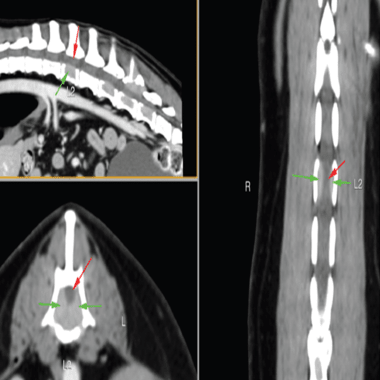
Bone Cancer in Dogs | Cancer Treatment in Dogs Case Study
Read about bone cancer in dogs and cancer treatment in dogs. Meet Kimba who was diagnosed and treated by the Animal Referral & Emergency Network.
Epilepsy In Pets
Learn about epilepsy in dogs, cats & pets, including causes of epilepsy, treatment and symptoms from the Animal Referral & Emergency Network.
Laryngeal Paralysis in Dogs | Symptoms & Treatment
Learn about Laryngeal Paralysis in dogs, including symptoms & treatment options.
