
Cushing's Disease in Dogs: The Complete Guide
If you’re noticing changes in your senior dog - such as a pot-bellied appearance, excessive drinking and urination, increased panting, thinning hair, or hair loss - it’s understandable to feel concerned. These symptoms can appear gradually, and many pet parents initially wonder if they’re just signs of aging. They can, however, also point to an underlying medical condition that deserves attention.
One of the most common endocrine (hormone-related) disorders affecting older dogs is Cushing’s disease, also known as hyperadrenocorticism. While the name can sound intimidating, the good news is that Cushing’s disease is treatable in most cases. With comprehensive diagnosis, monitoring, and treatment, many dogs go on to live happy, comfortable lives with an excellent quality of life for many years to come.
In this article, we’ll cover:
- What Cushing’s disease is and how it affects the body
- The most common signs and symptoms to watch for
- How veterinarians diagnose the condition
- Treatment options and what they involve
- What long-term management looks like
- Prognosis and quality- of- life expectations
If your dog is showing some of these changes, you’re not alone - and there are effective options available. With the right care plan, many dogs with Cushing’s continue to thrive well into their senior years.
What is Canine Cushing’s Disease?
Hyperadrenocorticism (also known as Cushing’s Disease) is a medical condition where the body makes too much of hormone cortisol.
Cortisol is often called the “stress hormone”. It helps the body respond to stress, control blood sugar, reduce inflammation, and regulate metabolism. But when there’s too much cortisol for a long time, it can cause health problems.
The term “Cushing’s Disease” is named after Harvey Cushing, the doctor who first described the condition in humans in 1932.
What is Cortisol?
Cortisol is often called the “stress hormone.” It is made by the adrenal glands, which are located near the kidneys. In normal amounts, cortisol is very important for your dog’s health. It helps the body turn food into energy, keeps blood sugar and blood pressure steady, supports the immune system, and helps responses to stress or illness.
But when the body makes too much cortisol for a prolonged time, it can start to cause harm. Too much cortisol can weaken muscles, thin the skin, raise blood sugar and blood pressure, and make it harder for the immune system to fight infections. Because cortisol affects so many parts of the body, having too much of it over time can lead to a wide range of health problems.
Types of Cushing's Disease
There are three main types of Cushing’s disease in dogs. Each type has a different underlying cause, and they are explained below.
Pituitary-Dependent Cushing’s Disease (PDH)
Pituitary-Dependent Cushing’s Disease (PDH) is the most common form of Cushing’s disease in dogs, accounting for about 85–90% of cases. It happens when a small, usually benign (non-cancerous) tumour develops on the pituitary gland, a tiny gland located at the base of the brain.
The pituitary gland normally produces a hormone called ACTH (adrenocorticotropic hormone), which tells the adrenal glands how much cortisol to make. In this form of Cushing’s disease, the tumour causes the pituitary gland to release too much ACTH. This overstimulates both adrenal glands, causing them to produce too much cortisol.
Adrenal-Dependent Cushing’s Disease (ADH)
Adrenal-dependent Cushing’s disease (ADH) in dogs occurs when a tumour develops in one of the adrenal glands, which are small glands located near the kidneys. This tumour causes the affected adrenal gland to produce excessive amounts of cortisol independently, without normal regulation from the brain. In healthy dogs, cortisol production is tightly controlled by the pituitary gland through ACTH signalling. However, with adrenal-dependent Cushing’s disease, the tumour overrides this feedback system and continuously secretes cortisol, leading to chronically elevated levels in the body.
This form of Cushing’s disease accounts for a smaller percentage of cases (10-15%) compared to the pituitary-dependent disease. The adrenal tumour may be benign (adenoma) or malignant (carcinoma), and determining which type is present is important for treatment planning.
Iatrogenic Cushing’s Syndrome
Iatrogenic Cushing's Syndrome is caused by long-term continuous use of steroid medications (such as prednisone/prednisolone or dexamethasone) often prescribed for other conditions. This is a reversible syndrome and will resolve with time once the medication has been tapered down slowly and ceased. It is always recommended the discontinuation of these medications be overseen by your veterinarian as tapering the medication too quickly may also cause problems as the body has often stopped producing these hormones properly when receiving these medications.
What Causes Cushing's Disease in Dogs?
In cases involving tumours—whether in the pituitary or adrenal gland—the exact reason why these tumours develop is not known. They are not caused by anything an owner did or did not do, and unfortunately, there is currently no known way to prevent them.
Risk Factors and Breed Predisposition
Cushing’s disease most commonly affects middle-aged to senior dogs, with the majority diagnosed over the age of 6 years and peaking at 10-11 years of age. Age is the strongest risk factor, as both pituitary and adrenal tumours are more likely to develop later in life.
Certain breeds appear to have a higher incidence, particularly for pituitary-dependent Cushing’s disease. Predisposed breeds include:
- Poodles
- Dachshund
- Terriers (eg Yorkshire Terrier, Border Terrier, Jack Russell Terrier, West Highland White)
- Bichon Frise
- Miniature Schnauzer
- Boxers
- Staffordshire Bull Terriers
There is no significant gender predisposition, although, small breeds are slightly more prone to pituitary-dependent Cushing’s Disease and large breeds more prone to adrenal-dependent Cushing’s Disease.
Recognising Cushing's Disease: Symptoms and Signs in Dogs
Veterinarians often refer to the Classic '4 P's' of Cushing's Disease, these are:
Polyuria (Increased Urination)
An increase in urination is often the first sign noticed by owners. You may see excessive urine volume, a frequent need to go outside, accidents in the house, and waking at night to urinate.
Polydipsia (Increased Thirst)
Increased water consumption, with a regularly empty water bowl constantly empty, and dogs seeking out water sources.
Polyphagia (Increased appetite)
Dogs with Cushing's often have a ravenous appetite which may result in constant begging for food, scavenging sources of food like rubbish bins and stealing food from kitchen benches and other accessible areas.
Pot-Bellied Appearance
The excess cortisol in an affected dog’s system results in a weakening of the abdominal muscles- which causes their belly to sag. This can result in the dog falsely appearing to be overweight. This can be exacerbated further by an enlargement of their liver, adding to the sagging effect.
Physical Changes and Skin Symptoms
There are several changes which can be seen in the skin and coat of Cushingoid dogs.
- Hair coat: Often you will note a patchy hair loss on both sides of the body, despite a fairly normal coat on the legs and head. This hair loss can be almost complete or in other areas can be a described as a “moth-eaten” appearance. If a dog with Cushing's has the coat clipped it will often not regrow. They may also have a ‘rats tail’ appearance due to hair loss on the tail giving it a sparse or bald appearance that looks a bit like a rat.
- Skin : Changes can include thinning of the skin with increased likelihood of tearing or bruising with a poor healing response, chronic or reoccurring infections, a greasy feel to the skin, a significant number of comedones (blackheads) and in advanced cases a condition called calcinosis cutis can occur. This is where calcium deposits in the skin can result in hard lumps, especially on the back.
You can also see other changes in appearance and demeanour such as;
- weakness due to muscle wasting,
- a reduced ability to exercise,
- excessive panting and lethargy even in cooler weather and when resting, as well as starting to seek out cool surfaces.
- less playful than it used to be
- increased restlessness and/or anxiety,
- disrupted sleeping patterns.
Advanced Neurological Signs
As mentioned earlier in this article, by far the most common form of Cushing's occurs when a tiny benign growth develops at the base of the brain in the pituitary gland. In most cases this growth remains small enough to not affect the brain itself, but sometimes the tumour grows to a size which can cause compression of nerves in the brain, resulting in problems with vision including blindness, walking in circles, head pressing (the dog stands with its head pressed against walls or other vertical objects), seizures and other obvious behavioural changes. When a dog exhibits signs such as these it means that the tumour has reached a size that requires immediate veterinary attention.
How is Cushing's Disease Diagnosed?
There is not one single test that confirms a definite diagnosis, which means that multiple tests taken are needed to achieve a diagnosis
Initial screening tests
The process of diagnosing Cushing's starts with taking a history to check for relevant symptoms, as well as a physical examination. If there is a history of symptoms consistent with Cushing’s disease, as well as any physical changes noted on an exam that points to a strong suspicion of a hormonal disease diagnostic testing will be recommended
The initial diagnostic step is to run blood panel including a complete blood count and a blood biochemistry screen looking for changes to white and red blood cells, as well as liver enzymes: especially alkaline phosphatase (which is elevated in 85-90% of cases) and ALT and GGT. High cholesterol levels and electrolyte abnormalities may also be present. Urinalysis often reveals dilute urine as well as urinary tract infections. Skin samples may also be taken to check for evidence of infection or other abnormalities such as calcinosis cutis. If the initial blood test is suggestive of Cushing’s disease and rules out other conditions, more specific Cushing’s blood tests will be performed.
Confirmatory Diagnostic Tests
There are 3 main specific blood tests used to confirm a case of Cushing's in a dog as well as assisting in trying to differentiate between the different types of Cushing's:
- The ACTH stimulation test
- The Low Dose Dexamethasone Suppression Test (LDDST)
- The High Dose Dexamethasone Suppression Test (HDDST)
The ACTH Stimulation Test
This test involves taking a baseline blood sample, giving an injection of a synthetic form of the hormone ACTH secreted by the pituitary gland, then taking another blood sample an hour later.
The blood samples are used to measure the amount of cortisol before and after the ACTH is given- in a normal dog the amount of cortisol excreted should increase mildly but in a Cushingoid dog the response is often quite exaggerated. Unfortunately, this test can miss in the region of 15-20% of cases. Its use is primarily in assessing the adequacy of a dog’s response to treatment. Once treatment is stable, this should be done twice yearly for monitoring purposes.
The Low Dose Dexamethasone Suppression Test (LDDST)
This is considered to be the most sensitive test when screening for Cushing's, with a sensitivity of 95%. This test takes 8 hours to complete and involves blood samples being taken at 0, 4 and 8 hours.
After the first blood sample is taken, an injection of a very low dose of a corticosteroid called dexamethasone is given. This test measures cortisol levels over time. For normal dogs the injection causes the levels of cortisol in the blood to be reduced for the duration of the test, because the natural feedback loop in the body tells the pituitary to stop stimulating the adrenal glands. In a dog with Cushing's this feedback loop doesn't work properly, and the cortisol levels stay high for the duration of the test. In some cases (approximately 50-60% of pituitary cases) this test can distinguish between pituitary and adrenal dependant dogs. because the PDH cases may be suppressed at the 4-hour mark but increase again by the 8-hour mark.
The High Dose Dexamethasone Test (HDDST)
This test is not always included in the diagnostic process, but it can help to differentiate between the types of Cushing's disease. This test is very similar to the LDDST, however after the first blood sample a much higher dose of dexamethasone is given. If the cortisol level is suppressed to less than 50% of the original baseline value at either 4 or 8 hours, then that is consistent with PDH. If there is no significant suppression, that confirms Cushing's but does not unfortunately differentiate between PDH and ADH, as a few rare cases of ADH may show some suppression. In these cases, further diagnostics are required such as imaging. in different forms.
Imaging to Determine Type and Severity
In some patients imaging may also be suggests to further confirm the type of Cushing’s disease that is present. There are multiple imaging options your vet may recommend, these include:
Abdominal ultrasound: This is useful to visualise the adrenal glands - both are enlarged in PDH, however only one is usually enlarged with a possible tumour visible in ADH. Also able to assesses liver and other organs during the ultrasound for a complete examination. ) and
CT or MRI: A much more detailed scan that allows clear visualisation of the pituitary gland, and can identify pituitary macroadenomas. This type of imaging is particularly important if neurological signs are present and may influence treatment choice.
In cases where surgical resection of an adrenal gland tumour is desired, advanced imaging is needed for surgical planning.
Why Multiple Tests Are Often Needed
Cushing’s disease can be a complex disease process and diagnosing it, particularly in the early stages or if other diseases are occurring at the same time, can be challenging. Multiple tests are often needed and this doesn't mean anything is wrong - it's simply because no single test is 100% accurate.
Treatment Options for Cushing's Disease in Dogs
Medical Management (Most Common Approach)
Medical management is the most common and successful treatment approach for dogs. Trilostane is the recommended medication for management of Cushing’s disease in dogs.
Trilostane (Vetoryl) - First-Line Treatment
Trilostane is the best first line treatment for Cushing’s disease. Vetoryl® (trilostane) is licensed for use in dogs with hyperadrenocorticism (PDH or ADH). Trilostane is an active synthetic steroid analog that inhibits 3-beta-hydroxysteroid dehydrogenase (and 11-beta hydroxylase) in the adrenal cortex, leading to decreased production of cortisol. It is not cytotoxic and does not damage the adrenal cortex. It aids in controlling excessive cortisol production, so long as it is given regularly, and withdrawal of the drug would result in a return to the previous excessive cortisol production.
Adrenal necrosis is an uncommon complication that can occur during treatment with trilostane, making regular monitoring necessary. This medication It is given daily, orally with food.
Surgical Treatment Options
Adrenalectomy for Adrenal-Dependent Cushing's (ADH)
This involves surgical removal of the affected adrenal gland and is potentially curative. AREN's surgical team are experienced and equipped to perform this specialist surgical procedure. The best candidates for this surgery are otherwise healthy dogs with benign tumours and no metastasis. If there is evidence of metastasis (cancer spread to other locations) then surgery in combination with chemotherapy would be the best approach in most cases.
As with any surgical procedure, complications are possible. If both adrenal glands are removed or if the body is unable to produce enough cortisol after the surgery, your dog may need supplementation to normalise their cortisol levels. This would be needed for the remainder of their life.
Hypophysectomy for Pituitary-Dependent Cushing’s
This procedure is extremely rarely performed and involves surgical removal of the pituitary tumour. This is a highly specialised procedure with very limited availability in Australia.
Radiation Therapy
Radiation therapy is an option for large pituitary macroadenomas, specifically those causing neurological signs. If there are no neurological signs present it is not usually recommended. This procedure requires referral to a specialist facility.
Radiation therapy does not reduce the hormone excretion from the tumour, but it does shrink the tumour size, which helps reduce the pressure it is putting on the brain. This can improve the neurological symptoms, but doesn't cure the disease, and over time it will likely re-grow. Most dogs will need to continue medical management lifelong to control the hormone imbalance caused by the tumour. Radiation therapy can extend and improve the quality of life for these dogs.
Managing Iatrogenic Cushing's
Iatrogenic Cushing’s occurs from prolonged use of corticosteroid medications, either at too high a doses or with sensitive individuals even at normal doses, which creates the same clinical signs as if the body was excessively producing cortisol on its own. Treatment involves gradual tapering of the steroid medication under careful veterinary supervision.
It is critical not to stop steroids suddenly as this is dangerous. The body needs to be slowly weaned off the medication/the dose reduced. Generally, symptoms improve steadily as the dose is reduced.
Life with Cushing's Disease: What to Expect
Before Treatment vs After Treatment
In many cases treatment for Cushing’s disease is aimed at managing and improving symptoms, rather than curing the patient permanently. After starting treatment many patients will exhibit a rapid improvement in symptoms such as excessive thirst, urination and appetite within as little as 1-2 weeks. It can take a little longer for improvements in energy levels, with coat and skin changes often taking around 3-6 months of treatment.
Life Expectancy and Prognosis
With treatment, the majority of dogs can enjoy a high quality of life. Several factors can influence prognosis including the age at diagnosis, the presence of other health issues, the dog’s response to treatment and the owner’s commitment to ongoing monitoring and adherence to the prescribed treatment plan.
Pituitary-dependent Cushing's disease: Dogs with this condition typically live 2 to 2.5 years on average with appropriate treatment. However, many can live much longer (some even surpassing 5 years) especially when effectively managed and regularly monitored.
Adrenal-dependent benign tumours: When surgically removed, these tumours generally have an excellent prognosis. Many dogs make a full recovery and continue to enjoy a high quality of life for many years.
Adrenal-dependent malignant tumors: The prognosis for dogs with malignant adrenal tumors can vary significantly, depending largely on whether the cancer has spread (metastasised). If detected early and treated effectively, some dogs can live longer and maintain a good quality of life.
By considering these factors and working closely with your veterinarian, we can develop a treatment plan that maximises your pet’s wellbeing.
Without treatment, Cushing's disease progresses over time, often leading to a decline in health and quality of life. Most dogs without treatment typically live 1 to 2 years, with deterioration in their condition and poor quality of life.
Quality of Life with Treatment
With treatment, many dogs show significant improvement and often return to their normal activity levels and can lead happy fulfilling lives. Symptoms often significantly improve, become much more manageable or resolve with many owners experiencing feelings like they've "got their dog back." While regular monitoring is necessary to ensure the treatment continues to be effective, it is a manageable part of the process and helps maintain your dog’s wellbeing.
Overall, most dogs with Cushing’s disease enjoy an excellent quality of life once treatment is underway, living more comfortably and actively. The progress many dogs make after starting treatment can be truly remarkable and with ongoing care, they can thrive for years.
Monitoring and Follow-Up Care
Monitoring your dog’s condition is a crucial part of managing Cushing’s disease and ensuring the best possible outcome. Close monitoring is required for dogs undergoing medical treatment for PDH with frequent health examinations, blood and urine tests being required to help assess their response to treatment.
For the first 3 months, monitoring expected can involve blood test (ACTH stimulation test) at key intervals- typically 10-14 days after starting medical treatment, 30 days and 90 days. This test helps help assess how your dog is responding to the medication and whether any dose adjustments are needed.
Additional blood tests can be essential in this period to also monitor liver and kidney function, as well as overall health. These tests help detect potential issues early and ensure your dog is tolerating the treatment.
After commencing the initial treatment period, once your pet’s condition has stabilised, ACTH stimulation tests are typically performed every 3-6 months to ensure the treatment remains effective. Wellness bloods are typically recommended at least annually to monitor organ function and overall health.
At each check up your veterinarian will assess your dog’s symptoms to ensure they are continuing to improve or remain stable. Throughout the treatment process, close communication with your vet is very important. Your vet will interpret the testing in conjunction with how your pet is managing at home. Reporting changes in your pet’s symptoms or behaviour is key to helping guide treatment decisions.
If any new symptoms develop, further investigation may be necessary. Signs to watch for include sudden lethargy or weakness, vomiting, diarrhoea, loss of appetite or collapse. All require immediate veterinary attention.
By adhering to the monitoring schedule and maintaining open communication with your veterinarian, you can help ensure your dog continues to live a healthy and active life under treatment.
Living with a Dog with Cushing's Disease: Home Care Tips
- Feed your dog a balanced, easily digestible diet. Despite a possible increased appetite, be mindful of portion control. Cushing’s disease can lead to weight gain, which can worsen other health issues. Consider dividing their meals into smaller portions throughout the day. This can help manage hunger.
- Ensure your dog always has access to fresh water, as excessive thirst is a common symptom of Cushing’s.
- While exercise is important, it’s essential to be mindful of your dog’s physical limitations. Provide your dog with gentle, regular walks or light play to keep them active without overexerting them. If your dog enjoys it, swimming can be an excellent low impact exercise that helps build muscle strength without putting strain on joints.
- Cushing’s disease can affect your dog’s skin and coat. Regular, gentle grooming can help prevent matting and keep their skin and coat healthy. If you notice any skin changes, redness or sores, contact your vet to address the issue before it worsens.
Complications of Untreated Cushing's Disease
If Cushing’s disease is left untreated, complications can develop which may affect your dog’s health and overall quality of life.
Dogs with untreated Cushing's disease can be at higher risk of developing diabetes mellitus (15-20% of dogs with Cushing’s develop this). This happens because the excessive cortisol in the body interferes with insulin regulation, leading to high blood sugar levels. Diabetes can cause symptoms like excessive thirst and urination, weight loss despite an increased appetite and overall weakness and lethargy. If not managed properly, it can have serious impacts on health
Another concern is hypertension, or high blood pressure, which can occur as a result of untreated Cushing’s. High blood pressure can have effects on the heart, kidneys and eyes. It can also increase the risk of strokes and damage the kidneys over time.
Chronic or recurrent urinary tract infections (UTIs) are also common in dogs with untreated Cushing’s disease. If left unchecked, these infections can cause pain, blood in the urine and potentially more serious kidney issues.
Kidney damage is another significant risk. Over time, high cortisol levels can impair kidney function, leading to conditions like chronic kidney disease. Kidneys perform a number of important roles so any damage over time can have significant health impacts.
With treatment and guidance from your vet, these complications can be managed or prevented. Treating Cushing’s disease early can significantly improve your dog’s prognosis and quality of life, helping them avoid many of these serious health risks.
Can Cushing's Disease Be Prevented?
Unfortunately, there is no way to prevent naturally occurring Cushing’s disease.
The risk of developing Iatrogenic Cushing’s disease can be reduced by using steroids only when medically necessary under the guidance of a veterinarian, limiting the duration to the shortest time where possible and considering alternative treatments for conditions that require long term steroid use where possible.
Frequently Asked Questions About Cushing's Disease
A: Cushing's disease (hyperadrenocorticism) is an endocrine disorder where the body produces too much cortisol hormone. It's caused by either a pituitary gland tumour (85-90%) or adrenal gland tumour (10-15%). Common in senior dogs, Cushings disease results in symptoms such as increased thirst, urination, appetite, a pot-bellied appearance, decreased immune system function, fur loss and skin disease.
A: Untreated Cushing's disease is progressive and eventually results in poor quality of life (typically 1-2 years). However, with proper treatment, most dogs live 2-5+ years or more with excellent quality of life. It's a manageable chronic condition
A: With treatment, no. Untreated dogs experience discomfort from excessive thirst, urination, hunger, muscle weakness, and skin problems. Once on medication, symptoms significantly improve within weeks to months. Most treated dogs have excellent quality of life.
A: Cushing’s disease is one of the most common endocrine disorders in dogs, especially seniors, affecting approximately 1-2 dogs per 1,000. Most common in dogs over 6 years, peaking at 10-11 years. Certain breeds (Poodles, Dachshunds, Boxers) are predisposed to this condition.
A: Yes. Bilateral symmetrical fur loss (alopecia) on the top and sides of the body is a hallmark symptom, along with fur loss over the tail. Fur loss generally spares the head and legs. Fur often doesn't regrow after clipping. With treatment, the fur typically regrows over 3-6 months.
A: The best outcomes are achieved with intensive veterinary care with intravenous fluids, medications, and 24-hour monitoring. Home treatment is generally not effective and significantly decreases survival chances in dogs that are clinically unwell. Always seek emergency veterinary care.
A: No. Cushing's disease develops later in life, typically in middle-aged to senior dogs (6+ years). It's not congenital or present at birth. It most commonly occurs due to a tumour developing in the pituitary gland or adrenal gland.
A: Surgery can cure some cases (adrenal tumour removal). However, most cases are managed medically with lifelong medication (trilostane) which controls but doesn't cure the disease. With medication, dogs can live normal lives.
A: Yes. The most common treatment is the daily medication, trilostane, which controls cortisol levels. In some cases, surgical options are appropriate. With treatment, symptoms usually improve dramatically and dogs have an improved quality of life.
A: These terms are used interchangeably.
You can read more of our specialist veterinary news and stories here.
For referring vets, please use our online referral form to submit a case enquiry.
You might also be interested in
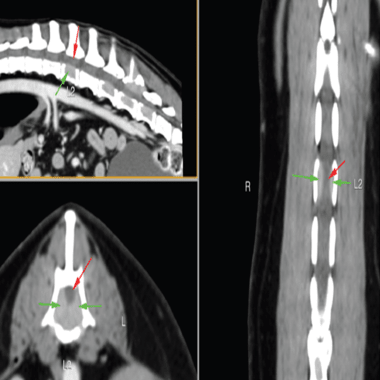
Bone Cancer in Dogs | Cancer Treatment in Dogs Case Study
Read about bone cancer in dogs and cancer treatment in dogs. Meet Kimba who was diagnosed and treated by the Animal Referral & Emergency Network.
Epilepsy In Pets
Learn about epilepsy in dogs, cats & pets, including causes of epilepsy, treatment and symptoms from the Animal Referral & Emergency Network.
Laryngeal Paralysis in Dogs | Symptoms & Treatment
Learn about Laryngeal Paralysis in dogs, including symptoms & treatment options.
