
Rat Bait Poisoning in Dogs
Bella was a 16-week-old female Pugalier who presented to the Animal Emergency Centre when her owners noticed her becoming increasingly lethargic. She had been off-color and not eating for a few days prior. On examination, Bella was noted to have a white gum color, difficulty breathing, a sore abdomen and she was in shock. Bella was in a very critical state, and we had to act quickly if she was going to make it. We were concerned that Bella was bleeding internally and on-site blood tests showed that she was not able to clot her blood properly. As a result, she had lost a large amount of blood and her red cell levels were dangerously low.
Diagnosis
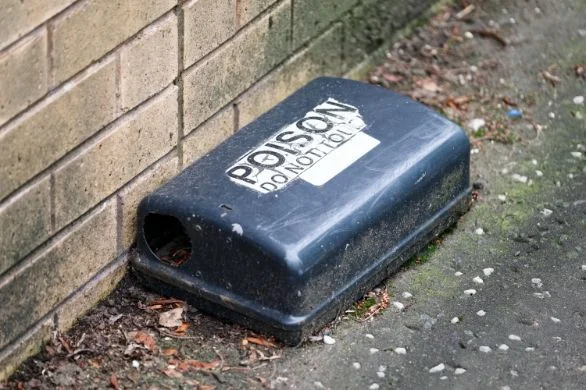
Several things can stop the blood clotting normally – and eating rat bait is one of the most common. Bella lives on a property and a shed she did not normally have access to had been recently left open. Rat bait poisoning was diagnosed. Bella received a blood transfusion to replace the blood she had lost and two plasma transfusions to supply clotting factors that could clot her blood normally.
A Vitamin K treatment (the antidote to rat bait toxicity) and other medications were started to support Bella. Oxygen was also required to assist with her breathing. A chest X-ray was performed which confirmed that Bella had bled into her lungs. This was making it difficult for her to breathe. Intravenous fluids were given to ensure she remained hydrated. We monitored her blood and oxygen levels very closely. With intensive treatment including oxygen, fluids, medications, and close monitoring Bella started to improve over the next 24 hours, she even started to wag her tail and get her appetite back!
After 48 hours of treatment, Bella had improved enough to be able to go home to continue her recovery. Bella was sent home on strict rest as it will take time for her lungs to return to normal. Treatment with Vitamin K will be needed to allow her body to produce clotting factors until the rat bait completely leaves her system.
Discussion
Unfortunately, rat bait is very tasty to pets and given the chance they will eat them. Rat bait poisoning results in an inability for animals to clot their blood by inhibiting the body’s normal clotting factors, hence they start to bleed excessively internally and externally. It can take up to 2-7 days after ingestion before signs are seen. The signs of rat bait poisoning in dogs can be very vague including:
- Lethargy
- Reduced appetite
- Weakness
- Trouble breathing
- Pale gums
- External bleeding
These symptoms may eventually lead to collapse or death. If you suspect that your dog has been poisoned by rat bait, make sure you seek immediate medical attention at your nearest vet or Animal Emergency Centre. There are various types of rat baits available, and some will remain in an animal’s system for a long period of time (up to 6-8 weeks) inhibiting blood clotting, hence the length of time required for medication will vary depending on the active ingredient ingested. If it is unknown the brand of rat bait ingested, we will often treat them for 28 days and then reassess their blood clotting ability with a blood test to check whether the toxin remains.
Rat bait ingestion is a potentially fatal condition that can be avoided. It is best not to have rat bait on your property at all if you have animals, it is just not worth the risk! Click here to download our information sheet on other common toxins that can be dangerous to pets.

You can read more of our specialist veterinary news and stories here.
For referring vets, please use our online referral form to submit a case enquiry.
You might also be interested in

Mother's Day Greenery That's Toxic To Pets
Discover the risks of common flowers and plants that are toxic to dogs and cats, making Mother's Day greenery potentially harmful to your furry friends. From lilies and tulips to indoor plants and succulents, understand symptoms and consult your vet for safety. Keep your pets safe from toxic plants with our expert advice.
.png)
Common Household Pet Dangers
Uncover common household toxins for pets at home and learn about how to keep your pets safe from these hazards around the house.
Ticks on Dogs & Cats: Identification, Removal & Prevention
Worried about ticks on your pet? Learn how to spot, remove, and prevent ticks on dogs and cats, plus what to do if your pet shows signs of a tick bite.
