
Post Surgery Pet Care & Rehabilitation
The majority of humans that have surgery in hospital will find themselves being assessed by a rehabilitation facilitator and given exercises and therapy to assist in their recovery. This rehabilitation often starts within 48hrs post surgery and continues throughout the weeks following surgery. Research shows that rehabilitation aids in peoples recovery and they often regain normality sooner. Our pets, however, often don’t receive the same rehabilitation services as their lucky homosapien friends. This is something which is changing throughout the veterinary industry and you will find that the majority of specialist clinics will provide some sort of rehabilitation program for their post surgical patients. This rehabilitation also starts within the first 48hrs post surgery and continues into the weeks following surgery. Numerous general practice veterinary clinics are following suit and are providing exceptional care, including post operative rehabilitation services.
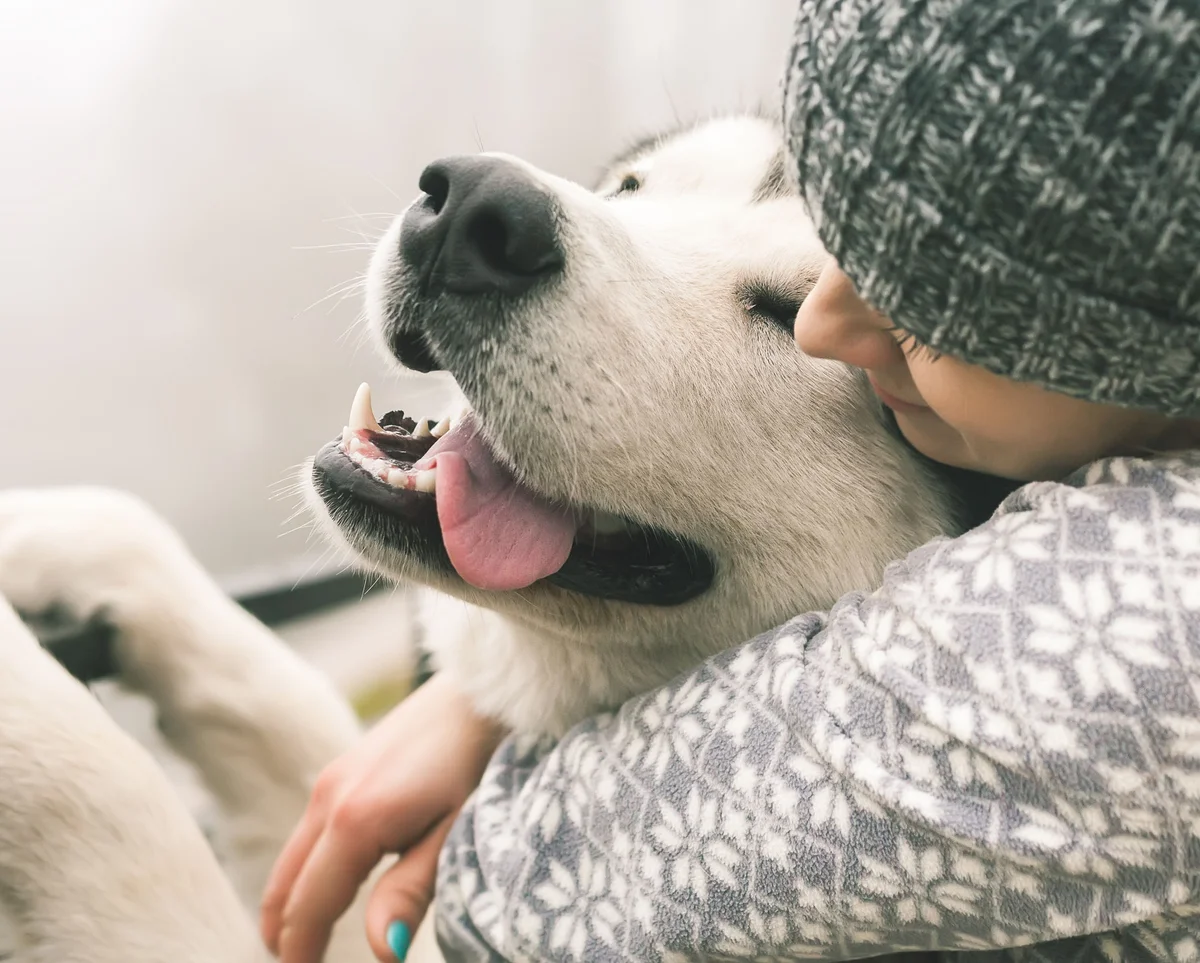
Rehabilitation includes treatments such as:
- Applying ice
- Myotherapy
- Passive range of motion
- Weight shifting exercises
- Encouraging/ activating proprioception
- Physiotherapy
- Muscle strengthening exercises
- Hydrotherapy and home exercise tasks.
The initial rehabilitation should be done by a trained animal professional such as a Veterinarian, Myotherapist or Physiotherapist. They should have knowledge regarding the surgical case and the overall health of the animal. Compliant owners can be taught certain exercises and tasks which they can perform at home. The majority of owners will be enthusiastic about being included in their pets’ rehabilitation program.
Pets receiving treatment for rehabilitation often have a hastened recovery period, return to normal activity sooner, experience less post operative complications and experience the full benefits of having the surgery performed. Owners should be offered rehabilitation for the pet or at least be given information about where they can find such professional help. This could be in the form of a qualified animal Myotherapist, Physiotherapist or a Veterinarian with knowledge on different forms of rehabilitation.
At the end of the day, these owners have paid a significant amount of money for their pets’ surgery as we all know too well that our Medicare cards don’t allow rebates for our furry family members. Therefore, owners should be given every opportunity to ensure their pet is appropriately rehabilitated and given the opportunity to make a speedy, successful recovery from the quality surgery that they have paid for.
Resources:
Helping Jessy – Animal Myotherapist
Dogs In Motion – Animal Physiotherapist
You can read more of our specialist veterinary news and stories here.
For referring vets, please use our online referral form to submit a case enquiry.
You might also be interested in
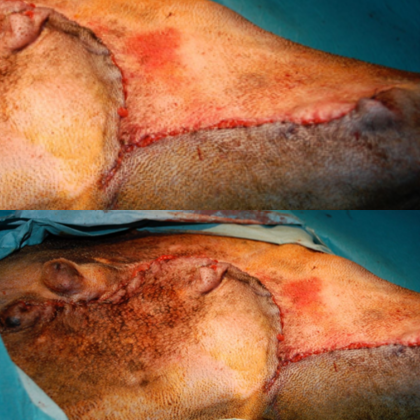
Axial Pattern Flaps
Uncover the ins and outs of Axial Pattern Flaps surgery. Understand flap surgery types, techniques such as Z-plasty, and post-operative care essentials.
Drivers for progress in veterinary surgery
Veterinary surgery is progressing at a very rapid rate. Dr Charles Kuntz shares factors which have contributed to this rapid progress.
Extracapsular Repair For Dogs
Dr Charles Kuntz, Specialist Surgeon, explains the procedure for extracapsular repair of a cranial cruciate ligament rupture.
