
What To Do If Your Dog Is Stung by A Bee: Symptoms & Treatment
Dog Bee Stings: Symptoms & First Aid
Dogs are curious animals that often use their noses and mouths to investigate the world, which makes bee and wasp stings a common occurrence.
In most cases, a sting on a dog is a minor issue that causes localised swelling, but sometimes the reaction can be severe, causing their airways to close and your pet to be deprived of air. In these severe cases the sting doesn’t have to be near the face for this to happen.
Knowing the difference in dog bee sting symptoms and what to do is critical in ensuring a positive outcome for your pet.
How to Tell if Your Dog Has Been Stung by a Bee: Key Symptoms
If your dog is stung by a bee, you may see a range of reactions. It's important to distinguish between a mild, localised reaction and a more dangerous, allergic reaction.
Mild Symptoms
- Localised swelling at the site of the sting.
- Pawing at the sting site, which can be sore and itchy. A bee sting on a dog's paw is very common.
- Visible pain or sensitivity at the site of the sting.
Severe Allergic Reaction Symptoms (Anaphylaxis)
A severe reaction can happen even if the sting isn't near your dog's face and can cause airways to close. Seek emergency veterinary help immediately if you see:
- Significant swelling at the site of the sting
- Drooling
- Vomiting
- Itchiness over the whole body, not just the sting site
- Pawing at the mouth
- Difficulty breathing
- Collapse
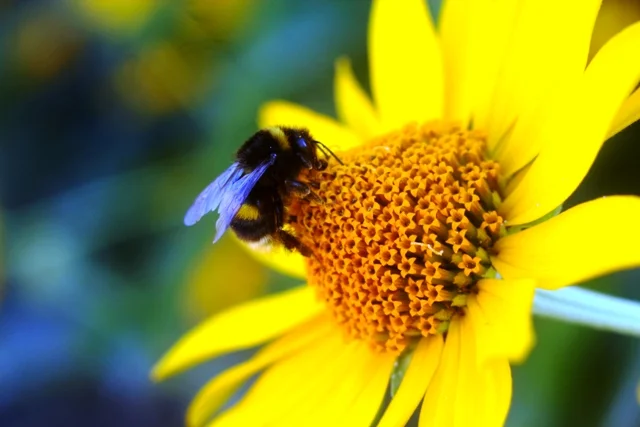
What to Do if Your Dog Gets Stung by a Bee
If you suspect your dog or puppy has been stung by a bee, follow these steps for immediate first aid for bee stings.
Remove the Stinger: If you can find the stinger, remove it by scraping a piece of cardboard across the site of the bite. This will help stop the spread of the toxin into your pet’s blood stream. It’s important not to use a pair of tweezers as this can cause more venom to spread by pushing the stinger further in.
Apply a Cool Compress: Use a cool face washer or cold pack to the site to help reduce the swelling and pain.
Keep Your Dog Calm: Restrict activity to prevent the venom from spreading further throughout their body.
Prevent Scratching: If your dog is scratching or chewing the site, use an Elizabethan collar (head cone) if you have one until the irritation settles.
Monitor Your Dog: Keep a close eye on your dog for any worsening symptoms. If your pet collapses or there is any swelling around the face or throat, trouble breathing, pale gums or pain, we advise you see a vet immediately as severe cases can worsen quickly.
When to See a Vet
It is critical to see a vet immediately if your pet shows any signs of a severe reaction. This includes:
- Any swelling around the face or throat.
- Trouble breathing.
- Pale gums.
- Collapse or severe pain.
Severe cases of a wasp bite on a dog or bee sting can worsen very quickly.
How to Prevent Bee Stings on Dogs
Bees are a vital part of our environment and as such we would never encourage you to rid your yard of bees. You can however take steps to minimise the risk for your pets including:
Sectioning off any areas in your garden with flowers to try and prevent your pet from coming in contact with bees.
If you are taking your dog for a walk, steer clear of areas with lots of flowers.

You can read more of our specialist veterinary news and stories here.
For referring vets, please use our online referral form to submit a case enquiry.
You might also be interested in
Toad Poisoning in Dogs & Pets | Symptoms & Treatment | AREN
Discover life-saving tips on Toad Poisoning in Dogs & Pets, emergency first aid, symptoms and treatment from the Animal Referral & Emergency Network.

Magpie Fledglings
Learn about magpie fledglings and when to take them to the vet. Understand magpie fledgling behaviour and how long they typically stay on the ground.
How To Handle A Pet Snake Bite Emergency
Snake bite is an emergency situation and the sooner your pet receives medical treatment the better. Refer this guide by Animal Referral & Emergency Network to handle snake bite.
